




Introduction
Starting a gym journey can be exciting and challenging at the same time. Many beginners feel confused about which exercises to perform, how much weight to lift, and how often they should train. A proper gym workout plan for beginners provides structure and helps avoid common mistakes.
The main goal for beginners should be learning correct exercise techniques, building consistency, and improving overall fitness. You do not need advanced exercises or heavy weights during the first few months. A simple and effective workout routine is enough to achieve great results.
Why Beginners Need a Workout Plan
A workout plan gives direction and helps beginners stay motivated. Without a plan, many people waste time moving from one machine to another without achieving results.
Benefits of a beginner gym workout plan include:
- Better muscle growth
- Improved strength
- Reduced risk of injury
- Increased motivation
- Consistent progress
- Better time management
Following a structured routine allows the body to adapt gradually and become stronger over time.
Important Rules Before Starting the Gym
Before beginning any workout program, keep these important rules in mind:
Warm Up Properly
Spend 5 to 10 minutes warming up before exercise. Walking, cycling, or light jogging prepares the muscles and reduces injury risk.
Learn Correct Form
Proper exercise technique is more important than lifting heavy weights. Incorrect form can cause injuries and slow progress.
Start with Light Weights
Beginners should use light weights and focus on controlling the movement.
Stay Consistent
Results do not happen overnight. Consistency is the key to success.
Get Enough Rest
Muscles grow during recovery. Sleep and rest days are essential.
Weekly Gym Workout Plan for Beginners
Day 1: Chest and Triceps
- Bench Press – 3 sets × 12 reps
- Dumbbell Press – 3 sets × 12 reps
- Chest Fly Machine – 3 sets × 15 reps
- Tricep Pushdowns – 3 sets × 12 reps
- Overhead Tricep Extension – 3 sets × 12 reps
Day 2: Back and Biceps
- Lat Pulldown – 3 sets × 12 reps
- Seated Cable Row – 3 sets × 12 reps
- Dumbbell Row – 3 sets × 10 reps
- Barbell Curl – 3 sets × 12 reps
- Hammer Curl – 3 sets × 12 reps
Day 3: Rest Day
Take a complete rest or perform light walking and stretching.
Day 4: Legs
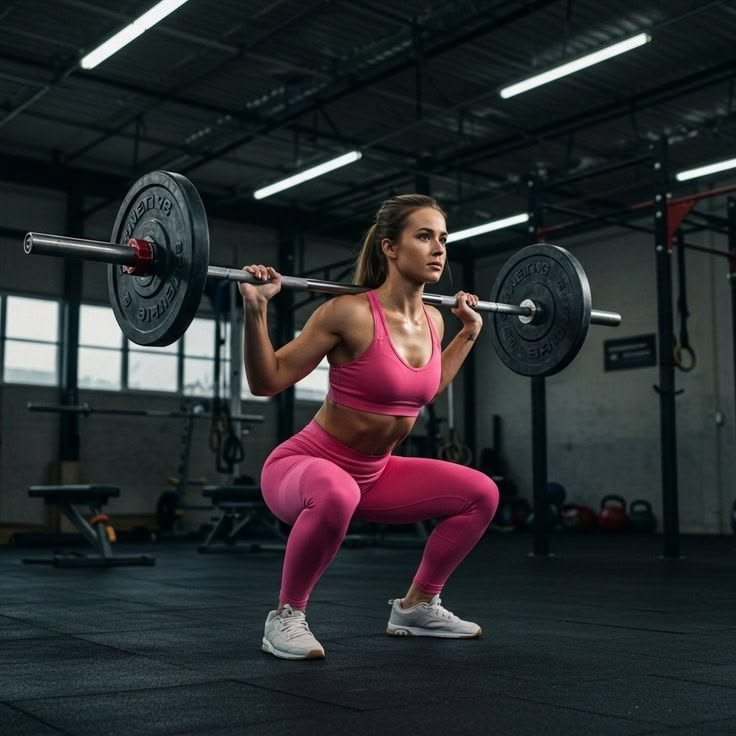
- Squats – 3 sets × 12 reps
- Leg Press – 3 sets × 12 reps
- Lunges – 3 sets × 10 reps
- Leg Curl – 3 sets × 15 reps
- Calf Raises – 3 sets × 20 reps
Day 5: Shoulders
- Shoulder Press – 3 sets × 12 reps
- Lateral Raises – 3 sets × 15 reps
- Front Raises – 3 sets × 15 reps
- Rear Delt Fly – 3 sets × 15 reps
Day 6: Full Body Workout
- Push-ups
- Squats
- Plank
- Dumbbell Press
- Rowing Machine
Day 7: Rest
Allow your body to recover completely.
Best Exercises for Beginners
Squats
Squats strengthen the legs, hips, and core muscles.
Bench Press
This exercise develops chest, shoulders, and triceps.
Deadlift
Deadlifts train the entire body and improve strength.
Pull Downs
Excellent for back development.
Shoulder Press
Builds strong shoulders and improves upper-body strength.
How Long Should Beginners Work Out?
Most beginners should train for 45 to 60 minutes per session. Long workouts can cause fatigue and reduce recovery.
A balanced workout includes:
- Warm-up: 10 minutes
- Weight training: 40 minutes
- Cool down: 10 minutes
Importance of Nutrition
Exercise alone is not enough. Proper nutrition supports muscle growth and recovery.
Protein Sources
- Eggs
- Chicken
- Fish
- Milk
- Yogurt
- Beans
Healthy Carbohydrates
- Rice
- Oats
- Potatoes
- Whole wheat bread
Healthy Fats
- Nuts
- Olive oil
- Avocados
Drink plenty of water throughout the day.
Common Mistakes Beginners Make
Lifting Heavy Weights Too Soon
Heavy weights can increase injury risk.
Skipping Warm-Up
Warm muscles perform better and stay safer.
Training Every Day
Rest days are important for recovery.
Poor Diet
Nutrition plays a major role in fitness results.
Comparing Yourself to Others
Everyone progresses at a different pace.
Tips to Stay Motivated
- Set realistic goals.
- Track your progress.
- Take progress photos.
- Follow a schedule.
- Exercise with a friend.
- Celebrate small achievements.
Benefits of Regular Gym Training
Regular exercise provides numerous health benefits:
- Stronger muscles
- Better heart health
- Increased energy
- Improved confidence
- Better sleep
- Reduced stress
- Weight management
People who exercise regularly often experience better physical and mental health.
Recovery and Sleep
Sleep is essential for muscle recovery. Adults should aim for 7 to 9 hours of sleep every night. Lack of sleep can reduce performance and slow muscle growth.
Stretching after workouts can also improve flexibility and reduce soreness.
Frequently Asked Questions
How many days should beginners go to the gym?
Three to five days per week is ideal.
Should beginners use machines or free weights?
Both are useful. Machines provide safety, while free weights improve balance and coordination.
When will I see results?
Most beginners notice improvements within 4 to 8 weeks.
Can beginners build muscle quickly?
Yes, beginners often experience rapid progress during the first few months.
Conclusion
A gym workout plan for beginners provides the foundation for a healthier and stronger lifestyle. By following a structured routine, eating nutritious foods, and staying consistent, beginners can achieve excellent results. Focus on proper form, gradual progress, and regular exercise. With dedication and patience, your fitness journey can become a long-term success.
