



Introduction
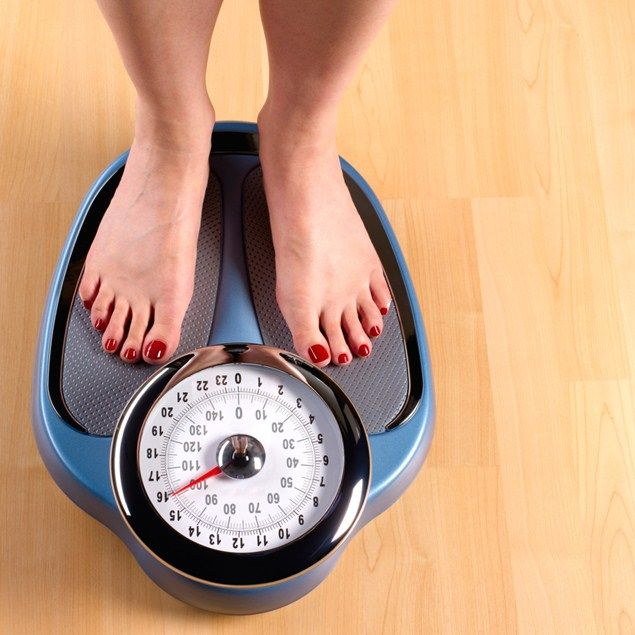
Weight loss is one of the most common health goals around the world. Millions of people start diets and exercise programs every year, hoping to lose extra body fat and improve their health. However, many individuals fail to achieve their goals because they make several common mistakes during their weight loss journey.
Losing weight is not only about eating less and exercising more. It requires proper planning, consistency, healthy habits, and realistic expectations. Small mistakes can slow progress, reduce motivation, and even cause weight gain.
This article discusses the most common weight loss mistakes to avoid so that you can reach your fitness goals successfully.
1. Skipping Breakfast
Many people believe that skipping breakfast helps reduce calories. However, missing breakfast can increase hunger later in the day and lead to overeating.
A healthy breakfast provides energy, improves concentration, and helps control appetite. Foods such as eggs, oatmeal, fruits, and yogurt can support healthy weight loss.
2. Following Extreme Diets
Crash diets promise quick results, but they often fail in the long term. Extremely low-calorie diets may cause fatigue, nutrient deficiencies, and muscle loss.
Instead of following strict diets, choose balanced meals that contain proteins, healthy fats, fruits, vegetables, and whole grains.
3. Not Eating Enough Protein
Protein is essential for building muscles and keeping you full for longer periods. Low protein intake can increase hunger and slow metabolism.
Good protein sources include chicken, fish, eggs, beans, yogurt, and nuts.
4. Drinking Calories Without Realizing
Sugary drinks, soft drinks, energy drinks, and sweetened coffee contain many hidden calories. These beverages can contribute to weight gain.
Replacing sugary drinks with water, green tea, or fresh juices can support weight loss.
5. Lack of Physical Activity
Diet alone is often not enough. Regular physical activity helps burn calories, improve metabolism, and maintain muscle mass.
Walking, jogging, cycling, and home workouts are excellent options for beginners.
6. Expecting Quick Results
Many people become discouraged if they do not lose weight quickly. Healthy weight loss usually takes time.
Losing 0.5 to 1 kilogram per week is generally considered safe and sustainable.
7. Sleeping Too Little
Poor sleep affects hormones that control hunger and appetite. Lack of sleep can increase cravings and lead to overeating.
Adults should aim for seven to nine hours of quality sleep every night.
8. Ignoring Portion Sizes
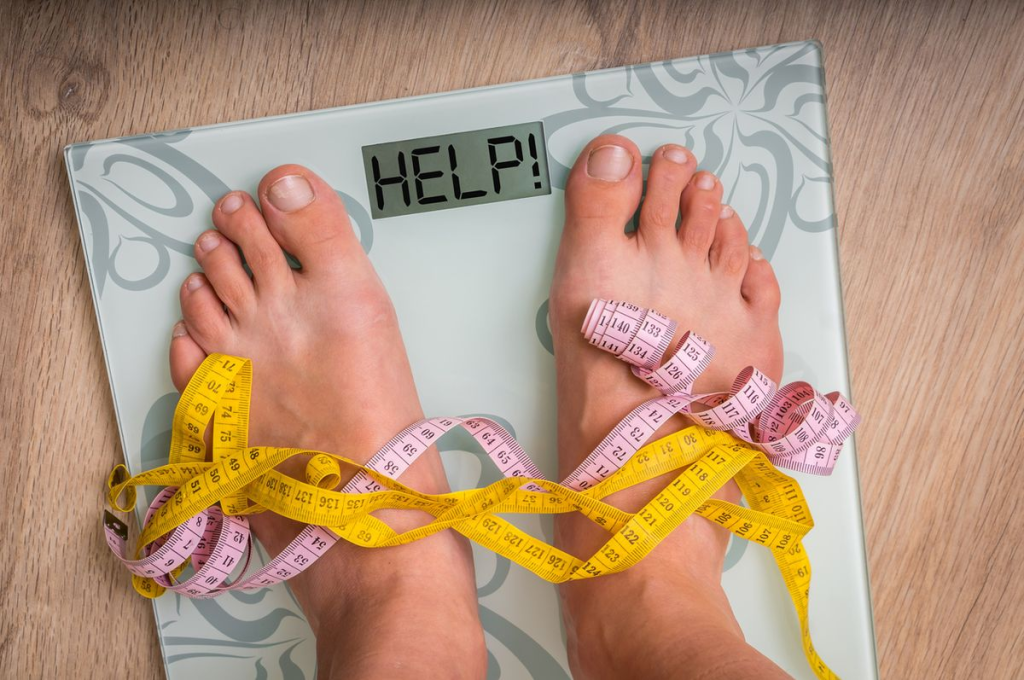
Even healthy foods can cause weight gain if eaten in excessive amounts. Large portions add extra calories.
Using smaller plates and measuring portions can help control calorie intake.
9. Eating Too Fast
Fast eating prevents the brain from recognizing fullness signals. This often leads to overeating.
Eating slowly and chewing food properly can improve digestion and reduce calorie intake.
10. Depending Only on the Scale
Weight can change because of water retention, muscle gain, or other factors. The scale does not always show real progress.
Take body measurements, progress photos, and notice improvements in energy levels and fitness.
11. Avoiding Strength Training
Many people focus only on cardio exercises. Strength training helps preserve muscle mass and boosts metabolism.
Exercises like squats, push-ups, lunges, and resistance training can improve fat loss.
12. Not Drinking Enough Water
Water plays an important role in metabolism and digestion. Dehydration can sometimes be confused with hunger.
Drinking sufficient water throughout the day supports weight loss and overall health.
13. Emotional Eating
Stress, sadness, boredom, and anxiety can lead to emotional eating. People often consume unhealthy foods during emotional situations.
Finding healthy coping methods such as exercise, meditation, or hobbies can help control emotional eating.
14. Eating Too Many Processed Foods
Processed foods are often high in sugar, unhealthy fats, and calories. These foods may increase hunger and reduce nutritional value.
Choose fresh fruits, vegetables, lean proteins, and whole foods whenever possible.
15. Setting Unrealistic Goals
Unrealistic expectations can lead to disappointment. Small and achievable goals create motivation and long-term success.
Focus on healthy habits rather than rapid weight loss.
Tips for Successful Weight Loss
- Eat balanced meals.
- Exercise regularly.
- Sleep adequately.
- Drink enough water.
- Control portion sizes.
- Stay consistent.
- Track your progress.
- Avoid extreme diets.
- Reduce sugary drinks.
- Stay patient.
Conclusion
Weight loss is a journey that requires patience, consistency, and healthy habits. Avoiding common mistakes such as skipping meals, following crash diets, ignoring exercise, and expecting quick results can significantly improve your chances of success.
By making small lifestyle changes and staying committed to your goals, you can achieve healthy and sustainable weight loss while improving your overall health and well-being.
