



Introduction
Healthy eating is one of the most effective ways to improve overall well-being, increase energy levels, and maintain a balanced lifestyle. However, many beginners find healthy eating confusing because of the countless diets, nutrition trends, and conflicting advice available online. The good news is that eating healthy does not have to be complicated or expensive. With the right meal ideas and a basic understanding of nutrition, anyone can create delicious and nourishing meals.
Healthy meal ideas focus on combining nutrient-rich foods such as vegetables, fruits, lean proteins, whole grains, and healthy fats into balanced dishes. These meals help the body receive essential vitamins, minerals, fiber, and protein needed for optimal functioning. Whether your goal is weight management, improved fitness, better digestion, or simply feeling healthier, choosing nutritious meals can make a significant difference.
Many people assume healthy meals are bland or difficult to prepare, but this is far from true. Healthy foods can be flavorful, satisfying, and easy to cook. Even simple meals prepared with fresh ingredients can provide excellent nutrition while saving time and money.
This guide will explain healthy meal ideas in detail, why they matter, how to create balanced meals, common mistakes to avoid, and practical tips that beginners can start using immediately. By the end, you will have the knowledge and confidence needed to build healthier eating habits that last.
What Are Healthy Meal Ideas?
Healthy meal ideas refer to meal combinations designed to provide balanced nutrition while supporting overall health. These meals include a variety of food groups and emphasize nutrient-dense ingredients rather than highly processed foods. A healthy meal typically contains lean protein, complex carbohydrates, healthy fats, vegetables, and fruits in appropriate portions.
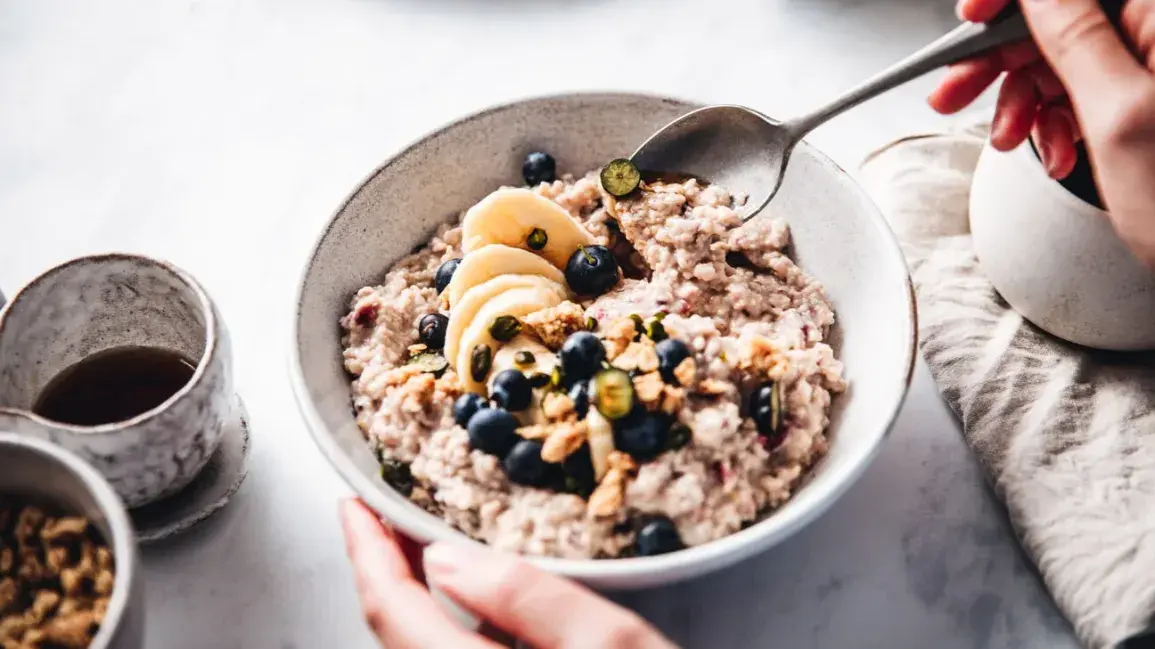
The purpose of healthy meal planning is not strict dieting or eliminating favorite foods. Instead, it focuses on creating meals that nourish the body while remaining enjoyable and sustainable. Healthy meal ideas can range from simple breakfasts like oatmeal with berries to complete dinners featuring grilled chicken, brown rice, and roasted vegetables.
For beginners, healthy meals should be practical and realistic. The best meal plan is one that fits your lifestyle, budget, and personal preferences. By choosing wholesome ingredients and maintaining balance, healthy eating becomes easier to follow in the long term.
Healthy meal ideas also encourage variety. Eating different foods ensures the body receives a broad range of nutrients while preventing boredom. This variety makes healthy eating more enjoyable and helps support overall wellness.
Why Are Healthy Meal Ideas Important?
Healthy meal ideas play a crucial role in maintaining physical and mental health. Food provides the fuel required for daily activities, and the quality of that fuel directly affects energy levels, mood, concentration, and overall performance. Consistently eating balanced meals helps support long-term health and reduces the risk of various chronic diseases.
Nutritious meals provide essential nutrients that strengthen the immune system, support muscle growth, improve digestion, and maintain healthy body functions. They also help regulate blood sugar levels, reduce unhealthy cravings, and promote better weight management. When meals are carefully planned, it becomes easier to avoid excessive consumption of processed foods, added sugars, and unhealthy fats.
Healthy meal ideas are especially important in today’s fast-paced world where convenience foods are widely available. Many processed foods contain high levels of sodium, sugar, and unhealthy fats that can negatively impact health over time. Choosing healthier alternatives helps establish positive habits that contribute to a longer and healthier life.
Additionally, healthy eating can improve mental well-being. Research consistently shows that nutritious diets are associated with better mood, increased focus, and reduced risk of certain mental health challenges. By making healthier food choices, individuals can support both their physical and emotional wellness.
Step-by-Step Guide to Creating Healthy Meal Ideas
Step 1: Understand the Basics of Balanced Nutrition
Before planning meals, learn the key components of balanced nutrition. A healthy plate should include:
- Lean proteins
- Whole grains
- Healthy fats
- Vegetables
- Fruits
Each food group contributes unique nutrients necessary for overall health. Understanding these basics helps create meals that are both satisfying and nutritious.
Step 2: Start Your Day with a Healthy Breakfast
Breakfast provides energy after an overnight fast. Choose meals that contain protein, fiber, and healthy carbohydrates.
Healthy breakfast ideas include:
- Oatmeal with berries and nuts
- Greek yogurt with fruit
- Whole-grain toast with avocado and eggs
- Smoothies with spinach, banana, and protein sources
- Cottage cheese with fresh fruit
A balanced breakfast helps improve concentration and reduces unhealthy snacking later in the day.
Step 3: Plan Nutritious Lunches
Lunch should provide sustained energy without causing sluggishness.
Healthy lunch ideas include:
- Grilled chicken salad
- Turkey and vegetable wraps
- Quinoa bowls with vegetables
- Lentil soup with whole-grain bread
- Tuna salad with mixed greens
Including protein and vegetables helps keep hunger under control throughout the afternoon.
Step 4: Prepare Healthy Dinners
Dinner should be filling yet balanced. Focus on vegetables, lean proteins, and complex carbohydrates.
Healthy dinner ideas include:
- Grilled salmon with roasted vegetables
- Chicken stir-fry with brown rice
- Baked fish with sweet potatoes
- Turkey chili with beans
- Vegetable and bean curry
Avoid overly heavy meals late at night whenever possible.
Step 5: Choose Smart Snacks
Healthy snacks prevent excessive hunger between meals.
Good snack options include:
- Fresh fruit
- Mixed nuts
- Greek yogurt
- Carrot sticks with hummus
- Hard-boiled eggs
- Apple slices with peanut butter
Healthy snacks provide nutrients while helping maintain steady energy levels.
Step 6: Incorporate More Vegetables
Vegetables are rich in vitamins, minerals, antioxidants, and fiber.
Easy ways to eat more vegetables include:
- Adding spinach to smoothies
- Including salads with meals
- Roasting vegetables for dinner
- Mixing vegetables into soups
- Using vegetable-based side dishes
Aim to fill at least half of your plate with vegetables whenever possible.
Step 7: Focus on Healthy Protein Sources
Protein supports muscle maintenance, recovery, and satiety.
Excellent protein options include:
- Chicken breast
- Fish
- Eggs
- Greek yogurt
- Beans
- Lentils
- Tofu
- Lean beef
Including protein in every meal helps maintain fullness and supports overall health.
Step 8: Choose Whole Grains
Whole grains contain more nutrients and fiber than refined grains.
Healthy choices include:
- Brown rice
- Oats
- Quinoa
- Whole-wheat bread
- Whole-grain pasta
- Barley
Fiber-rich grains improve digestion and help maintain stable energy levels.
Step 9: Stay Hydrated
Water is essential for health and supports digestion, circulation, and temperature regulation.
Tips for hydration:
- Carry a water bottle
- Drink water before meals
- Limit sugary beverages
- Consume water-rich fruits and vegetables
Adequate hydration complements healthy eating habits.
Step 10: Practice Portion Control
Even healthy foods should be consumed in appropriate portions.
Useful strategies include:
- Using smaller plates
- Eating slowly
- Avoiding distractions during meals
- Listening to hunger cues
Portion awareness helps maintain a healthy balance without unnecessary restrictions.
Benefits of Healthy Meal Ideas
Healthy meal ideas provide numerous advantages:
- Improve overall nutrition
- Increase daily energy levels
- Support healthy weight management
- Strengthen the immune system
- Enhance digestive health
- Promote better heart health
- Improve concentration and productivity
- Reduce unhealthy cravings
- Support muscle growth and recovery
- Improve sleep quality
- Lower the risk of chronic diseases
- Encourage long-term healthy habits
- Improve mood and emotional well-being
- Help maintain stable blood sugar levels
- Support healthy aging
Disadvantages and Risks
While healthy meal planning is beneficial, some challenges may occur:
- Initial meal preparation can take time
- Fresh ingredients may have higher costs in some areas
- Beginners may feel overwhelmed by nutrition information
- Strict meal plans can become difficult to maintain
- Limited variety may lead to boredom
- Overemphasis on healthy eating may create unnecessary stress
- Some healthy specialty foods can be expensive
- Lack of planning may result in food waste
- Portion sizes may still be excessive despite healthy ingredients
- Misleading nutrition claims can cause confusion
Most of these challenges can be minimized through proper planning and flexibility.
Common Mistakes to Avoid
Many beginners make mistakes that reduce the effectiveness of healthy eating efforts.
One common mistake is skipping meals. People often believe skipping meals will reduce calorie intake, but it frequently leads to overeating later. Regular balanced meals help maintain energy and control hunger.
Another mistake is eliminating entire food groups without medical or nutritional reasons. Balanced diets generally include carbohydrates, proteins, and fats because each serves important functions in the body.
Many individuals also rely too heavily on processed foods labeled as healthy. Marketing claims can be misleading, so reading nutrition labels is important.
Ignoring portion sizes is another frequent issue. Healthy foods can still contribute to excess calorie intake when consumed in very large amounts.
Finally, expecting immediate results often leads to frustration. Healthy eating is a long-term lifestyle approach rather than a quick fix. Consistency matters more than perfection.
Frequently Asked Questions
1. What is the healthiest meal for beginners?
A balanced meal containing lean protein, vegetables, whole grains, and healthy fats is an excellent choice. For example, grilled chicken, brown rice, and steamed vegetables provide a strong nutritional foundation.
2. How many healthy meals should I eat each day?
Most people benefit from three balanced meals per day with one or two healthy snacks if needed. Individual needs may vary based on age, activity level, and personal goals.
3. Are healthy meals expensive?
Healthy eating does not have to be expensive. Foods such as oats, beans, lentils, eggs, rice, seasonal vegetables, and fruits can provide excellent nutrition at affordable prices.
4. Can healthy meals help with weight loss?
Yes. Healthy meals often contain more fiber and protein, which increase fullness and reduce overeating. Combined with appropriate portions, they can support weight management goals.
5. How can I make healthy meals taste better?
Use herbs, spices, garlic, lemon juice, and natural seasonings. Cooking methods such as roasting, grilling, and sautéing can also enhance flavor without adding excessive calories.
6. Is meal prepping necessary?
Meal prepping is not required, but it can make healthy eating easier. Preparing ingredients or meals in advance reduces the likelihood of choosing unhealthy convenience foods.
7. Can I still eat treats while following healthy meal ideas?
Yes. A balanced lifestyle allows occasional treats. The goal is consistency in healthy eating rather than complete restriction.
8. What should I drink with healthy meals?
Water is the best option. Unsweetened tea, sparkling water, and moderate amounts of coffee can also fit into a healthy lifestyle.
Expert Tips and Bonus Points
Choose simple recipes when starting. Complicated meal plans often become difficult to maintain over time.
Keep healthy ingredients readily available at home. When nutritious options are accessible, making better choices becomes easier.
Focus on gradual improvements rather than drastic changes. Small sustainable habits often produce better long-term results.
Use the plate method by filling half the plate with vegetables, one-quarter with protein, and one-quarter with whole grains.
Experiment with new fruits, vegetables, and healthy recipes regularly to prevent boredom.
Cook larger batches and store leftovers for future meals. This saves both time and effort.
Track your eating habits occasionally to identify areas for improvement and maintain accountability.
Prioritize consistency over perfection. Missing one healthy meal does not ruin progress. Simply return to healthy choices at the next meal.
Conclusion
Healthy meal ideas provide a practical and sustainable way to improve nutrition, support overall health, and develop better eating habits. Contrary to popular belief, healthy eating does not require complicated recipes, expensive ingredients, or strict dietary rules. Instead, it focuses on creating balanced meals that combine nutrient-rich foods from multiple food groups.
By understanding the fundamentals of nutrition and following a simple meal-planning approach, beginners can make healthier choices without feeling overwhelmed. Nutritious breakfasts, balanced lunches, wholesome dinners, and smart snacks all contribute to better energy, improved digestion, stronger immunity, and enhanced well-being. Small changes, such as adding more vegetables, choosing whole grains, and incorporating lean proteins, can produce meaningful results over time.
It is also important to remember that healthy eating is a journey rather than a destination. Sustainable habits are built through consistency, flexibility, and gradual improvement. Occasional indulgences can still fit within a balanced lifestyle, making healthy eating enjoyable and realistic.
Whether your goal is improving fitness, managing weight, boosting energy, or simply feeling better each day, healthy meal ideas offer a strong foundation for long-term success. By applying the strategies outlined in this guide, you can create satisfying, nutritious meals that support your health and help you maintain positive eating habits for years to come.
