



Introduction
Many beginners focus on workout routines, gym equipment, and training programs but often overlook one of the most important factors for success: pre-workout nutrition. What you eat before exercising can significantly affect your energy levels, endurance, strength, recovery, and overall performance.
Whether your goal is weight loss, muscle gain, improved athletic performance, or simply staying healthy, choosing the right foods before a workout can help you get the most from every training session. Eating the proper combination of carbohydrates, proteins, and healthy fats provides your body with the fuel it needs to perform efficiently.
A common mistake among beginners is exercising on an empty stomach or consuming heavy meals immediately before training. Both approaches can negatively impact performance and comfort. Understanding the timing and type of food your body needs can make a noticeable difference in how you feel and perform during exercise.
This comprehensive guide explains what to eat before workout sessions, why pre-workout nutrition matters, how to choose the best foods based on your fitness goals, and common mistakes to avoid. By the end, you’ll have a clear understanding of how to fuel your body properly and maximize your workout results.
What Is What to Eat Before Workout?
The phrase “what to eat before workout” refers to the foods and beverages consumed before physical exercise to provide energy, enhance performance, and support muscle function. Pre-workout nutrition prepares the body for physical activity by ensuring adequate fuel is available during training.
The primary objective of a pre-workout meal or snack is to supply carbohydrates for energy, protein for muscle support, and hydration for optimal body function. The exact foods you should eat depend on several factors, including workout intensity, duration, fitness goals, and the time available before exercise.
For example, someone performing a high-intensity weightlifting session may benefit from a meal rich in carbohydrates and protein two hours before training. In contrast, someone going for a short morning walk may only need a light snack or piece of fruit beforehand.
Understanding how different nutrients affect exercise performance allows you to make smarter dietary choices and achieve better fitness outcomes.
Pre-workout nutrition is not about eating large quantities of food. Instead, it focuses on providing the right nutrients at the right time. Proper planning helps prevent fatigue, muscle breakdown, and poor workout performance.
Why Is What to Eat Before Workout Important?
:max_bytes(150000):strip_icc()/pre-workout-meals-and-snacks-4135417-ADD-Color-V2-FINAL2-b010d4314f7c4034baf22b21854e7ef3.jpg)
The food you consume before exercise directly influences how your body performs during physical activity. Your muscles require energy to function, and that energy comes primarily from stored glycogen and recently consumed nutrients.
When you eat correctly before a workout, your body has access to readily available fuel sources. This helps maintain endurance, strength, and concentration throughout the training session. Proper nutrition can also reduce the risk of dizziness, fatigue, and early exhaustion.
Pre-workout meals play an important role in preserving muscle mass. Consuming protein before exercise provides amino acids that help protect muscles from excessive breakdown during training. This is especially important for individuals aiming to build or maintain muscle.
Another key benefit is improved recovery. Well-fueled muscles tend to recover more efficiently after exercise, reducing soreness and supporting long-term fitness progress. Additionally, proper pre-workout nutrition can help regulate blood sugar levels and improve overall exercise enjoyment.
Ignoring pre-workout nutrition often leads to reduced performance, poor motivation, and slower progress toward fitness goals. Therefore, understanding what to eat before workout sessions is a fundamental aspect of any successful fitness plan.
Detailed Step-by-Step Guide
Step 1: Understand Your Workout Type
Different workouts require different nutritional strategies.
Cardio workouts such as running, cycling, and swimming rely heavily on carbohydrates for energy. Strength training workouts require both carbohydrates and protein to support muscle performance and growth.
High-intensity interval training (HIIT) demands quick energy sources, while lower-intensity activities may require less fuel.
Knowing the nature of your workout helps determine the ideal pre-workout meal composition.
Step 2: Determine How Much Time You Have Before Exercise
Meal timing is one of the most important aspects of pre-workout nutrition.
If you have 2–3 hours before exercise, you can consume a full meal containing carbohydrates, protein, and healthy fats.
If you only have 30–60 minutes, choose a lighter snack that is easier to digest and provides quick energy.
The closer you are to your workout, the simpler and lighter your food should be.
Step 3: Prioritize Carbohydrates
Carbohydrates are the body’s preferred energy source during exercise.
When consumed before a workout, carbohydrates are converted into glucose and stored as glycogen in the muscles and liver. During physical activity, glycogen is broken down to provide energy.
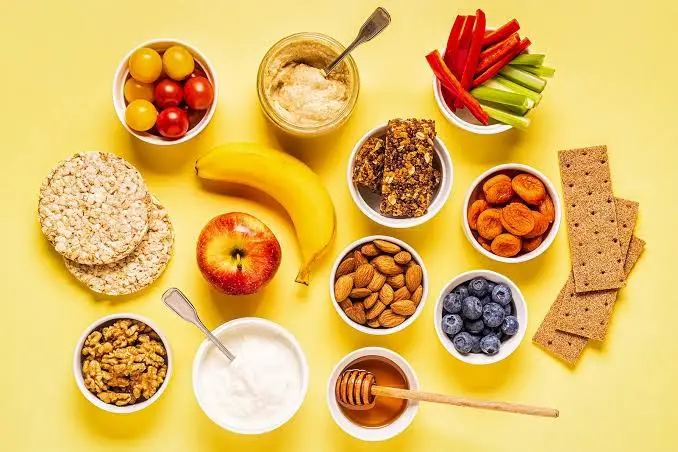
Good pre-workout carbohydrate sources include:
- Bananas
- Oatmeal
- Whole grain bread
- Brown rice
- Sweet potatoes
- Fruits
- Yogurt
- Rice cakes
Carbohydrates are especially important for endurance training and high-intensity workouts.
Step 4: Include Protein
Protein supports muscle repair and growth.
Consuming protein before exercise supplies amino acids that help reduce muscle breakdown and enhance recovery.
Excellent pre-workout protein sources include:
- Greek yogurt
- Eggs
- Chicken breast
- Cottage cheese
- Protein shakes
- Turkey slices
- Tofu
- Milk
Combining protein with carbohydrates often provides the best performance benefits.
Step 5: Limit Excess Fat and Fiber
Although healthy fats and fiber are important for overall health, consuming large amounts immediately before exercise may slow digestion.
Foods high in fat or fiber can cause stomach discomfort, bloating, and sluggishness during workouts.
Examples include:
- Fried foods
- Heavy cream-based dishes
- Large servings of nuts
- Fast food meals
Moderate amounts are generally acceptable if eaten several hours before training.
Step 6: Stay Hydrated
Hydration is just as important as food.
Even mild dehydration can negatively impact strength, endurance, and focus.
Drink water consistently throughout the day and consume additional fluids before exercise.
General hydration recommendations include:
- 500–600 ml water 2–3 hours before exercise
- 250–300 ml water 20–30 minutes before exercise
Athletes performing long workouts may benefit from electrolyte-containing beverages.
Step 7: Choose the Best Pre-Workout Meal
Examples of balanced pre-workout meals include:
- Oatmeal with banana and protein powder
- Chicken breast with rice and vegetables
- Whole grain toast with eggs
- Greek yogurt with berries
- Turkey sandwich on whole grain bread
These meals provide sustained energy and support muscle function.
Step 8: Choose Quick Snacks When Short on Time
If your workout starts within an hour, consider:
- Banana
- Protein shake
- Apple with peanut butter
- Rice cakes
- Yogurt
- Energy bar
These options digest quickly and provide fast energy.
Step 9: Adjust According to Your Goals
For muscle gain, increase both carbohydrate and protein intake before workouts.
For weight loss, focus on moderate portions while maintaining adequate protein and energy.
For endurance sports, prioritize carbohydrates to maximize glycogen stores.
Tailoring nutrition to your goals produces better results.
Step 10: Monitor Your Body’s Response
Everyone responds differently to food.
Track how various meals affect your energy, digestion, and performance. Adjust your pre-workout nutrition based on personal experience and workout demands.
Experimenting responsibly helps identify the best foods for your individual needs.
Benefits of What to Eat Before Workout
- Provides sustained energy during exercise
- Improves workout performance
- Enhances strength and endurance
- Supports muscle growth
- Reduces muscle breakdown
- Improves focus and concentration
- Helps maintain stable blood sugar levels
- Promotes faster recovery
- Increases training intensity
- Reduces fatigue
- Supports weight management goals
- Helps prevent dizziness and weakness
- Improves athletic performance
- Encourages better workout consistency
- Maximizes overall fitness results
Disadvantages / Risks
- Eating too much can cause stomach discomfort
- Heavy meals may lead to sluggishness
- Poor food choices can reduce performance
- Excessive sugar intake may cause energy crashes
- High-fat foods can slow digestion
- Eating too close to workouts may cause nausea
- Overreliance on supplements can be unnecessary
- Inadequate hydration can offset nutritional benefits
- Individual food intolerances may create digestive issues
- Incorrect meal timing may reduce effectiveness
Common Mistakes to Avoid
One common mistake is skipping meals before exercise. Many people believe training on an empty stomach burns more fat, but it can also decrease performance and increase fatigue.
Another mistake is consuming large meals immediately before working out. Heavy foods require significant digestion and can cause discomfort during exercise.
Many beginners underestimate the importance of carbohydrates. While protein is important, carbohydrates remain the body’s primary fuel source during intense exercise.
Ignoring hydration is another frequent issue. Proper fluid intake is essential for optimal performance and should never be overlooked.
Some individuals depend entirely on expensive pre-workout supplements while neglecting basic nutrition. Whole foods often provide the nutrients needed for excellent performance.
Finally, failing to personalize nutrition can limit results. What works for one person may not work for another. Experimentation and consistency are key.
FAQs
1. How long before a workout should I eat?
A full meal is best consumed 2–3 hours before exercise. If time is limited, a light snack can be eaten 30–60 minutes beforehand.
2. Is it okay to work out on an empty stomach?
For low-intensity activities, it may be acceptable. However, most people perform better when they consume some form of pre-workout nutrition.
3. What is the best food before a morning workout?
Bananas, oatmeal, yogurt, toast with peanut butter, or a protein shake are excellent choices for morning exercise.
4. Should I eat protein or carbohydrates before a workout?
Ideally, consume both. Carbohydrates provide energy while protein supports muscle maintenance and growth.
5. Can I drink coffee before exercise?
Yes. Coffee contains caffeine, which may improve alertness, focus, and exercise performance when consumed in moderation.
6. What foods should I avoid before a workout?
Avoid heavy fried foods, large high-fat meals, excessive fiber, and foods that commonly cause digestive discomfort.
7. Is a protein shake enough before a workout?
A protein shake can be effective, especially when combined with a carbohydrate source such as fruit or oats.
8. What should I eat before strength training?
A meal containing complex carbohydrates and protein, such as rice with chicken or oatmeal with protein powder, works well.
Expert Tips & Bonus Points
Start planning meals around your workout schedule rather than eating randomly throughout the day. Consistency helps optimize energy levels and performance.
Choose easily digestible foods if you have a sensitive stomach. Simpler meals often perform better before intense exercise.
Keep a nutrition journal to track which foods improve your workouts and which foods create discomfort.
Use whole foods whenever possible. Natural food sources provide vitamins, minerals, fiber, and nutrients that supplements often lack.
Prepare meals in advance to avoid unhealthy last-minute choices. Meal preparation can significantly improve nutritional consistency.
Remember that hydration, sleep, and overall daily nutrition are just as important as pre-workout meals. A balanced lifestyle supports long-term fitness success.
For intense training sessions lasting over 90 minutes, consider increasing carbohydrate intake to maintain energy levels throughout the workout.
Conclusion
Understanding what to eat before workout sessions can dramatically improve your fitness experience and results. Proper pre-workout nutrition provides the energy needed to perform effectively, supports muscle preservation, enhances endurance, and contributes to faster recovery. Whether your goal is weight loss, muscle gain, athletic performance, or general health, the right foods can help you train more efficiently.
The ideal pre-workout meal typically includes a combination of carbohydrates for fuel and protein for muscle support. Timing also matters. Larger meals should be consumed several hours before exercise, while smaller snacks can be eaten closer to workout time. Staying hydrated is equally important and should be part of every fitness routine.
Beginners should focus on simple, balanced foods such as oatmeal, fruit, yogurt, eggs, lean meats, and whole grains. Avoid heavy, greasy meals and excessive sugar immediately before training. Experiment with different food combinations to discover what works best for your body and exercise style.
Ultimately, successful workouts begin long before you enter the gym. By learning what to eat before workout sessions and applying these principles consistently, you can maximize performance, support recovery, and move closer to achieving your fitness goals in a healthy and sustainable way.
