
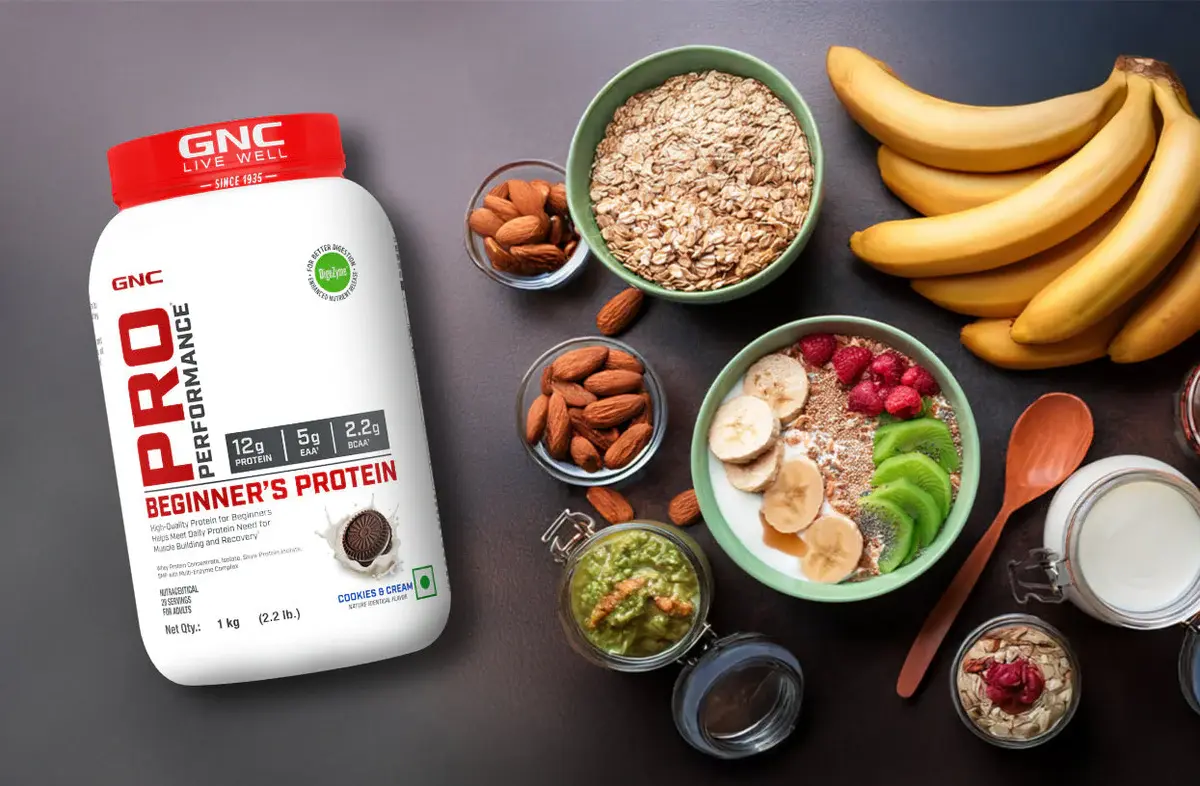
Protein has become the most talked-about nutrient in fitness, and with that attention has come confusion. Some sources claim everyone needs enormous amounts, while official guidelines can seem surprisingly low. The truth depends on your body weight, your activity level, and your goals. This daily protein intake guide cuts through the noise with the numbers supported by research, explains why protein matters beyond muscle, and shows how to reach your target with ordinary food rather than expensive supplements.
Why Protein Matters So Much
Protein provides the amino acids your body uses to build and repair muscle, skin, hair, enzymes, and parts of your immune system. Unlike carbohydrate and fat, the body has no real storage depot for protein, so a regular daily supply matters. Adequate protein also helps control appetite, because protein-rich meals are more filling and reduce the urge to snack between meals.
For anyone who exercises, protein becomes even more important. Training creates tiny amounts of muscle damage that must be repaired, and ageing gradually reduces the body’s ability to maintain muscle, a process that sufficient protein and resistance exercise together can slow significantly. This daily protein intake guide therefore treats protein as a foundation habit for health, not just a bodybuilding concern.
How Much Do You Actually Need?
The minimum recommended intake for a sedentary adult is about 0.8 grams of protein per kilogram of body weight per day, which prevents deficiency but is not optimal for active people. Research on people who exercise regularly supports roughly 1.2 to 1.6 grams per kilogram, while those training hard to build muscle may benefit from up to around 2 grams per kilogram. For a 70-kilogram person, that means somewhere between 85 and 140 grams per day depending on training intensity.
Older adults generally do better toward the higher end of the range, because ageing muscles respond less sensitively to protein. People losing weight also benefit from higher protein, since it protects muscle while fat is lost and keeps hunger manageable. Use this daily protein intake guide as a range to aim within rather than a precise prescription, and adjust based on your results over several weeks.
The Best Everyday Protein Sources
Reaching your target is easier than marketing suggests. Eggs, Greek yoghurt, milk, chicken, fish, lean meat, tofu, lentils, beans, chickpeas, cheese, and nuts all contribute meaningfully. A simple pattern works: include a palm-sized portion of a protein-rich food at each meal, plus a protein-containing snack such as yoghurt or a handful of nuts, and most active people will land close to their target without weighing anything.
Plant-based eaters should combine sources across the day — grains with legumes, for example — to cover all essential amino acids, and may aim slightly higher overall since plant proteins are digested a little less completely. Protein powders are convenient but genuinely optional indeed; they are food, not magic, and whole meals provide the same amino acids along with fibre, vitamins, and minerals.
A Simple Day of Eating at the Right Level
Abstract numbers become easier when translated into meals. Consider an active 70-kilogram adult aiming for about 120 grams of protein a day. Breakfast might be Greek yoghurt with oats and berries, providing roughly 20 grams. Lunch of a chicken and chickpea salad brings around 40 grams. An afternoon snack of cottage cheese or a protein yoghurt adds 15 grams, and dinner built around fish, tofu, or lean meat with vegetables and grains contributes about 45 grams. The target is reached with ordinary supermarket food and no special products.
Notice that none of these meals needs to be large or joyless. The pattern is simply deliberate: anchor each meal on a protein source, then build the rest of the plate around it with vegetables, grains, and healthy fats for energy and satisfaction. When people audit their actual intake for a few days with a tracking app, most discover they under-eat protein at breakfast and over-rely on dinner, exactly the imbalance this pattern fixes. Three or four days of tracking is usually enough to calibrate your portions permanently; after that, estimating by eye becomes second nature and the numbers take care of themselves.
Timing, Distribution, and Common Myths
Total daily intake matters far more than precise timing, but distribution helps. Muscles respond best when protein is spread across the day, so aim for roughly 25 to 40 grams at each meal rather than a tiny amount at breakfast and a huge amount at dinner. A protein-containing meal or snack within a couple of hours after training is a sensible habit, though the old idea of a strict thirty-minute window is greatly exaggerated.
Hydration and total energy still frame everything. Protein cannot do its job if you are drastically under-eating overall, because the body will burn amino acids for fuel instead of using them for repair. Equally, drinking enough water supports the kidneys’ normal work of processing the by-products of protein metabolism, which is one reason the kidney myth gained traction in the first place. Pair your protein target with regular resistance training, adequate sleep, and patience measured in months rather than days, and the results — strength, recovery, body composition — follow predictably. Supplements, protein bars, and specialty products can fill gaps on busy days, but they should orbit a diet built on real meals, not replace it.
Two myths deserve clearing up. First, healthy kidneys handle higher protein intakes without damage; the warnings apply to people with existing kidney disease, who should follow medical advice. Second, more is not endlessly better: beyond the ranges in this daily protein intake guide, extra protein simply becomes expensive calories. Set your target from your weight and training, hit it most days with food you enjoy, and you have covered one of the most important foundations of strength, recovery, and long-term health. Revisit your target whenever your weight, training, or goals change significantly, since the right number is a moving one across a lifetime of activity. Recheck it each new season and adjust without drama.
